

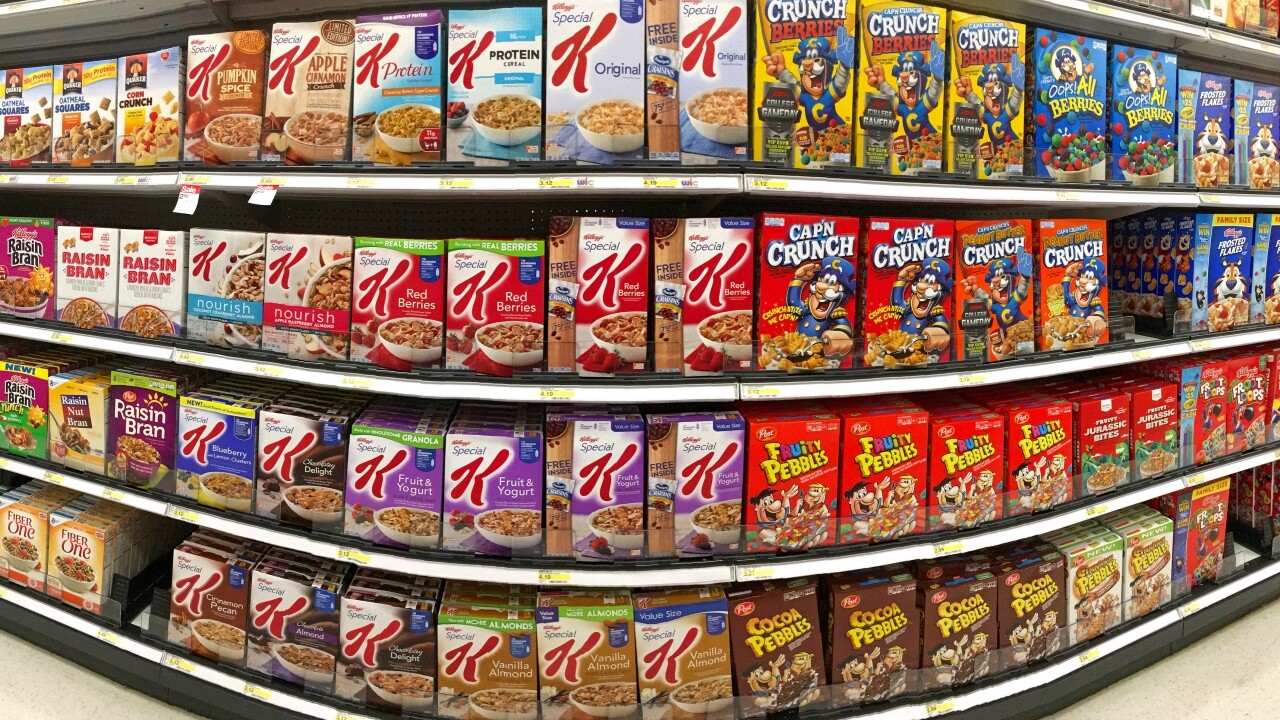


Comparing the industry’s tactics to those of Big Tobacco, San Francisco City Attorney David Chiu filed what he called a “first-of-its-kind” lawsuit against several of the nation’s largest ultra-processed food manufacturers.
Chiu alleges the companies knowingly produce products that are highly addictive and harmful, violating California’s Unfair Competition Law.
The lawsuit says the dangers of ultra-processed foods are “not solely about the amount of calories, fat, sugar, salt, or carbohydrates consumed.”
PAST COVERAGE
“The high levels of processing change the physical and chemical structure of the foods and change how humans digest them,” officials said.
RELATED STORY | Health risks of ultraprocessed foods: What a new report reveals
Kraft Heinz, Mondelez, Post Holdings, Coca-Cola, PepsiCo, General Mills, Nestlé USA, Kellogg, Mars Inc. and ConAgra Brands are named in the suit.
“These companies created a public health crisis with the engineering and marketing of ultra-processed foods,” Chiu said. “They took food and made it unrecognizable and harmful to the human body... These companies engineered a public health crisis, they profited handsomely, and now they need to take responsibility for the harm they have caused.”
Food makers have defended their products, saying they offer nutritious, shelf-stable, affordable food.
“The assertions... are so ridiculous, lacking not only in common sense but also in understanding and empathy for the variety of dietary needs many consumers face and budgets they’re balancing,” wrote Megan Kastner, policy manager of product policy with the Consumer Brands Association.
Ultra-processed foods often contain multiple ingredients, including additives to enhance shelf life, flavor, appearance or texture. They typically include components not found in a home kitchen and are mass-produced for longer storage.
RELATED STORY | Americans get more than half their diet from ultra-processed foods, CDC confirms
The American Heart Association says some ultra-processed foods contain whole grains, low-fat or low-sugar dairy, and plant-based products that can be part of a healthy diet. However, many are high in saturated fat, added sugars and sodium, which can lead to excess calorie intake. Examples include sugar-sweetened drinks, processed meats, refined grains, candy and commercial baked goods.
Doctors caution that diets high in added sugars, sodium and saturated fats put more Americans at risk for adverse health effects.
“One of the reasons most ultra-processed foods are unhealthy is they fall into categories health professionals have long worried about,” said Dr. Christopher Gardner of the American Heart Association. “Most are high in saturated fat, added sugars and sodium, and low in fiber, vitamins and minerals. The extra thing they have are cosmetic additives and ingredients of rare or no culinary use.”
